Process Trumps Solution – If relationships matter . . .

If relationships matter, then the process trumps the solution.

At a recent Family Business Alliance event in Grand Rapids, Michigan, family business expert Greg McCann shared this quote in the context of a story.  The story was of a older business owner who had just put together a plan for passing his business on to his wife and two sons after his death.  The plan assembled by his lawyer and accountants put one son in charge who was part of the business and desired the top job, and make the other two financially comfortable.  When McCann asked him when he was going to share the plan, his response was “when I die it will be part of my will.”  McCann’s only advice was simple – if you want this to work, they need to know about it now so that they can work out the details and any disagreements or problems can be addressed while you are here.  If relationships matter (this is a family, so this IS the goal), then process trumps the solution.

We can learn a lot in talent management and leadership about building relationships from family business.  I created a talent calendar with the single goal of defining the events (process) that produced the best opportunity to talk, listen, support, and problem solve throughout the year for a leader and a follower. While content is important, presence and process is the goal.

I am reminded of a study shared in the book SWAY by Ori and Ram Brafman.  A survey given to convicted felons about the judicial process and how fairly they were treated.  In the end, two factors emerged as significant on their perception of fairness.  As was expected, the inmates placed a lot of importance on the outcome, which was the sentence they received.  But almost equally weighted was how much time their lawyer spent with them.  Process matters.

If relationships matter, then open and honest dialogue during process of setting the goal is more important than the goal being set.  Talent management is about process and the relationships that happen when it is done well.

Process vs Solution – What does my focus say?

If relationships matter, then the process trumps the solution.

These words were spoken by Greg McCann, an expert in helping families come together and work through passing the business on to the next generation.  It is brilliant, because it is simple and gives you a choice.  Do you allow for time to have a process, or do you drive the perfect outcome?

Too often we focus on the outcome, and the process just becomes something we have to do to get there.

Talent management is about relationships and trust.  Trust is built by focusing on the process, not necessarily the outcome.  I often share with leaders that true Talent Management is like cooking with a crockpot, not a microwave.  It just take time, and the end is not an exact time, but a time of day.

Outcome minded leaders like the microwave because it is exact, predictable, and efficient.

If you are a microwave person put the quote above on a post-it and put it up as a reminder for yourself.

  • What if – – – we worried more about getting people involved in solving the problem?
  • What if – – – we worried more about asking what other people think, giving them a little extra time, letting them fight a little, and accepted non-powerpoint answers that got most of the way there?
  • What if – – –  we focused on the customer in front of us and not the 9 more we knew we had to talk with?
  • What if – – – we stopped filling the one on one agenda and gave that off to our people to make it THEIR time?

But, business results are critical and accountability is synonomous with goal achievement and a clear process for getting there!  Enjoy your microwave . . . .

Leadership – Keeping it Simple

I started a session with a leadership team by asking them the first four questions on the Talent Scorecard.  The results were less than impressive for questions 1, 3, and 4, but everyone nailed question #2 – I have one on ones with my people at least once a month. Their question for me was:  Is this good?

My answer:  Remember the perfect balance of talent management conversations is 30-30-40 (30% focus on past, 30% focus on present, 40% on the future).  Regular conversations with your people makes up for lots of deficiencies.  I believe the performance conversation once a year is critical to help establish goals, document/revise career plans, and help cascade organizational strategies throughout the ranks of leadership.  So missing/being late is not positive, but if I was given a choice of being late for those or missing one on ones, I would rather see people struggle with timely yearly performance conversations.

No group has ever asked me that question or had those specific results.  It was a great conversation and I left it feeling wiser.  I hope they had the same experience. 🙂

Talent management is about great conversations, and seeing a score on the habits that create the conversations is eye opening.  The great thing about critiquing ourselves is the action plan is built into the answer.  If you are not doing it, then do it.  Within the conversations, the improvement plan is as simple.  First, share with your team member your goal of having a 30-30-40 balance in terms of focus and their ownership of the agenda -then work towards those goals.  Secondly, at the end of each conversation ask –  “What are you thoughts on what we can do to make this more valuable for you?”  Over the course of 3-6 months it will just get better.

I will leave you with Ken Blanchard’s definition of leadership – “Leadership is an influence process.  It is about working with people to accomplish their goals and the goals of the organization.” With is only possible if there is a conversation – with equal parts of listening and talking.

Wonder how your habits are promoting great talent management on your team?  The scorecard is free – here is the link.

How to get better at delivering feedback? First, get better at receiving it.

I am in the process of reading/reviewing Jodi Glickman’s book Great On The Job – What To Say, How To Say It – The Secrets of Getting Ahead.  As I go through it I will share some thoughts that make me go Hmmmm . . .  This posting is based on one of those moments.

What is the secret to speaking what you feel about someones performance and having it end up in a place where the relationship is still intact (or stronger) and your thoughts are heard?

The first and only tip – Focus on how you request and receive feedback from others.

I read Jodi Glickman’s book Great on the Job, and one quote is stuck in my head.  It is under the chapter of Ask for Feedback and the heading of Say Thank You.  The quote is (p. 129):

The goal, however, is continuous improvement and learning, not just feeling good.  If you have a tough feedback session, remind yourself that the goal of the session is not to make you feel good.  The goal is to make you better at your job.


Talent management is about great conversations, and the definition of a conversation is a form of interactive, spontaneous communication between two or more people who are following rules of etiquette. (wikipedia)  We all need to hear what is going well, but we have to be able to hear what we can do better.  At the heart of this conversation is a lot of smaller conversations around –  How am I doing?  What is going well and where do I need to improve?

How can we use this as individuals?

First, recognize that giving feedback is a lost art for many leaders who are, themselves, caught in a spot where nobody is telling them what they are doing well (when is the last time you told your leader about something they did well?) and the list of to do’s is only getting longer.  So, our job as individuals is to ask for it well,  stay calm in the moment of receiving it, and respond by saying thank you without our faces getting red or our jaws tightening.  Then do something with it that creates momentum for you and the organization.

Second, put extra focus into defining your role/objectives and own the one on one time with your leader.  This makes talking about performance  easier.  Here is a template if you want an example of what that looks like.

Getting and giving good feedback is not easy, but it is pretty simple.  I wonder what would happen if both leaders and followers read this one chapter together and tried it for a couple of months.  My guess is some great conversations would happen.

What tips do you have for giving/getting good feedback?

The Hidden(and not so hidden) Impact Of A Question

A recent WSJ article highlighted the impact on the brain of being able to talk about ourselves.  Talking about ourselves (which we spend 40% of our conversations doing) triggers the same sensation of pleasure in the brain as food or money.  It is a great article – here is the link.

Talent management is about having great conversations.  Sure the processes (interview/selection, onboarding, performance, succession planning, one on ones, etc) are important, but the impact of being present in that time and having both parties open to sharing, questioning, and listening makes the biggest impact.  I like this article because it provides some science behind what we know – it is healthy for us if someone is there to listen.

So what to do with this?  Here are two ways to enable more listening as a leader and one as a follower:

For the leader:

  1. Make the one on one the responsibility of the your team member.  Their agenda (with imput from you) to cover what they need to and what they want to.  (Here is a link to a template and calendar for this)  There should be a time limit – but let them talk, and you listen.
  2. Make a habit to get groups of employees together monthly to celebrate something (birthdays, employment anniversaries, etc.) and listen.

For the Follower:

  1. When your leader comes around or asks “Are their any questions?”, be ready to ask.  Here are two to keep around:  What is one thing that has been keeping you up at night lately?  What have you learned lately?

In the book Bowling Alone by Robert Putnam he makes the case that if someone is a smoker and a loner it will have a greater impact on their life expectancy if they kept smoking and found some friends.  It is healthy to be listened to, and we need to remember to return the favor.

Talent Wars – How to not fight them

I am not much for going through walls, I usually look for a way around them.

It a recent study released by the Northern California Human Resource Association, the following statistics were shared:

93% believe there is now or will soon be a talent shortage
44% report full leadership support for the New Reality
78% said retention is a high priority this year

When I hear the words high priority this year, I automatically think initiative.  I can hear the front-line business leaders now – “HR wants us to do something new this year . . . “.

So a slew of new priorities and initiatives are happening to deal with the talent shortage and make retention a high priority.  We get in the talent wars because we join the same battle everyone else is fighting – post the job, recruit for the job, hope they can do the job, hope they stay, hope the skilled people mentor the new people effectively, and hope people tell us when they want to do more.  Here are some questions to help you think about how you are fighting this war:

  • Do you have a list of key jobs and are you adding names to it every couple months that you would hire today if you had an opening?
  • Is every candidate greeted by the nicest person in the company?
  • Do you allow yourself to smile during the interview?
  • Do you always respond to interviewees in a timely manner?
  • Do you(manager) send a present/personal note to people when they accept an offer?
  • Do you(manager) personally call people back when you want to have another interview with them?
  • Do you(manager) personally call people back after interviewing them and deciding not to continue the process with them?
  • Do you share with people as part of the interview how important this role is to the strategy of the team/organization and take five minutes to share with them why you love to work here?
  • Do you tell them the truth without prefacing it with “Let me be completely honest with you” or “I am going to be 100% truthful on this one”.
  • Do you(manager) map out a path to success for new people(onboarding) and spend extra time with them over the first 3-6 months?
  • When they say No to your offer do you(manager) personally call them to learn more about their Yes to someone else and No to you – then wish them great success. Do you then invite them to connect on LinkedIn so you can stay in touch?

Talent wars are real in areas where skills are scarce, but they are also about every employer being equal in the eyes of the people looking for work.

What if you were so good at telling your story and matching passions/talents with your needs that people could not imagine going anywhere else when you offered them a job?  What if your people were recruiting for you because they were so passionate about your organization?

Don’t have time to worry about these little things?  Wars are expensive, but good luck fighting it.

Personally, I would try and position myself so everyone else is fighting over the people I passed on.


8 Questions To Ask Before Starting Succession Planning

Succession planning is a great conversation.

For the organization, it puts plans in place to be used in case of a sudden departure of a key person.  It also identifies talent gaps that can be discussed and dealt with before they become emergencies.

For your best people, it creates a vision of the future for them and identifies ways to challenge/develop them over the coming years.

Then there is you, the executive.  Maybe not such a great process.  You are putting plans in place for after you are gone.  You are sharing the talent you have worked hard to hire and develop with the rest of the organization by allowing them to be considered for key roles in other areas.  Do we avoid these conversations?  The numbers would say yes.  First number – only 35% of the CEO’s in the United States have succession plans.  Second number – personally only 45% of us have wills.

Talent management is about great conversations.  Here are eight questions to ask a leader before starting a succession planning effort:

  1. I am excited about this process.
  2. I think this is an important process to do each year.
  3. I have talked to all my direct reports about what they want to do in the future.
  4. I have done this before and I feel comfortable/skilled at the process.
  5. I will make the time (10-20 hrs) to do this work over the next 2 months.
  6. I am willing to accept input from other peers on my succession list . . . and I will use it.
  7. I am willing to allow key players from my team to be on succession plans for other groups.
  8. I feel good about setting up my groups/the organization to be successful after I move on.


Here is a link to this form with a number scale attached.

By naming our reasons for being reluctant, we can at least talk about them.  By letting those reason stay hidden there is very real potential to erode trust on the team and leave great talent(people!) unchallenged and unclear about what opportunities exist for them in the future.

I would opt for the great talent management/succession planning conversation started by these 8 questions.

3 Simple Habits To Help Strengthen Teams

Are there things about you that people do not know?  We all know the answer to that question – but is anything on that list that others need to know?  Maybe you love to problem solve.  Maybe you led a team of 20 people at one point in your career.  Maybe there is some part of the business you want to learn more about.  Maybe you get 150 emails a day and prefer phone calls.

Are there things about you that others see and you do not?

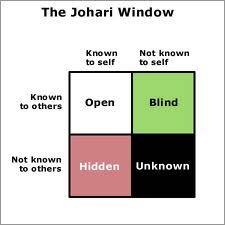
Several years ago a friend shared some feedback with me that we still laugh about. He told me that whenever he told a story, I usually followed up with a better one. I did not realize it – but watched myself for a few days and there it was – the proof.   It was funny, and I was unaware of it.   In JoHari Window language, it was a BLIND SPOT.Talent Management tool - JoHari Window

If you are not familiar with it, here is a link to a short YouTube video that explains it.

Talent management is about having great conversations.  When we talk, we develop relationships with the people around us, and at the core of those relationships is knowledge that we bring to every interaction.

Here are 3 tips to continually develop your team and teamwork.

TIP 1: As part of any team meeting spend 5 minutes asking/answering these questions:

  • This week – What are two wins?  What is keeping me up at night?

These questions are almost guaranteed to  keep a steady flow of HIDDEN items that will be valuable for the team to know.

TIP 2: When you have an off-site and you are looking for ways to get people sharing/laughing – have everyone answer the following questions for themselves and their teammates.  Next, go around the room and have others share first, seeing if they matched answers with the individual.

  • What is one thing I am really good at doing?
  • How do you know I am having a good day?
  • How do you know when I am stressed?
  • How do you know I am listening / not listening?

After this, watch the JoHari Window video and ask the questions:  What came out in our last discussion that could be considered HIDDEN? A BLIND SPOT?  What is the impact of having that information in the OPEN area for you?  For this team?  What is one way we can be more purposeful about these conversations?

TIP 3: I often use a tool called the Team Member Fact Sheet to get people talking.  Using it as a tool to get to know new teammates or test the knowledge of existing teams.

Talent management is about great conversations.  Go have one!

Succession Planning: Why We Don’t / 3 Reasons We Should

“I can do succession planning, but I am not going anywhere.”  These words were spoken to me by a senior leader 4 years ago.  A year after he said these words his job changed and he switched divisions.  More recently he left the organization for another role.  He was good with numbers, but not great at predicting the future.  Then again, who really is?

I added succession planning to the Talent Scorecard because it is a critical area to address in a talent management strategy within an organization.  However, it is not as important as performance conversations / one on ones / development plans.  Here is a link to trU Tips #11 where I introduced the scorecard and the online version I created for people to evaluate their own situation.

Single biggest barrier to succession planning: Our discomfort with the question “What is the plan after I am gone?”.  Talking about our mortality is uncomfortable and avoided.   Want proof?  How about the number only 45% of Americans have a will – which is the succession plan for an individual.  As it turns out, corporate succession plans must be more uncomfortable because only 35% of organization have a succession plan for their CEO.

Succession planning is not about us (ie: Our ego, power, wealth) – it is about others.  So here are three reasons to do it:

  1. It is part of being a leader: The ability to face a difficult situations and help a team work through it is a critical part of leadership.  Succession planning is about leadership.
  2. It says “You are more important than me” – the ultimate trust building action: Does this need more explanation?  Look at Jim Collins level 5 leader description in Good to Great.  There are lots of benefits for people feeling and SEEING this – email me if you want a list.
  3. It builds the same courage in others: What CEO would argue that it is not important to have plans for the most critical people and most critical roles in their organization?  The CEO going first removes one BIG excuse from the list other leaders will have not wanting to do it.

Much of talent management and the activities/processes that go with it fall under the description of simple, but not easy.

A parenting expert once gave me a line in response to a child telling me something is too hard.  The response.  Yes, it is hard.  But we can do hard. I think that same line fits with succession planning.  If we want people around us that do not shrink away from hard, then we need to be willing to go first.

What are some barriers you have experienced or compelling reasons you have used that you would add to this list?

Follower: How Often Should I Get Feedback?

I am in the process of reading/reviewing Jodi Glickman’s book Great On The Job – What To Say, How To Say It – The Secrets of Getting Ahead.  Jodi has an impressive list of college clients, two being Harvard and Cornell, that bring her in to prepare their students for success on the job.  As I go through it I will share some thoughts that make me go Hmmmm . . .  This posting is based on one of those moments.

I think our society is confused when it comes to feedback.  We lighten it with kids, with the intention of preserving their self esteem.  We worry about Millennials because the research says they need more.  In fact, at the height of the economic meltdown a study was done about what motivates people and managers said “positive feedback/thank you”, while their people said “making progress on my work”.  So what is the bottom line for feedback?

Jodi Glickman addresses the topic with new/soon to be new graduates in a way that anyone can benefit.

First, she shares a window – asking for it once a year is not enough and once a month is too often.

Secondly, she shares a very simple method for setting up the situation so the feedback can be given and has value for both the leader and the individual.  The two steps are:

  1. Phase I:  Preparation
  2. Phase II:  The Conversation

While both are good steps, I love Phase I.  Too often I see people jumping into a deep conversation with a peer or leader with no preparation for the person being asked to give it.  It usually ends with something generic like “It was great”.  Glickman’s quote about feedback that should be posted on cubicles everywhere is:

. . . the goal of the feedback is not to make you feel good.  The goal is to make you better at your job. (p. 129)

The author points out the best way to setup a good feedback session is to plant the seed before asking for feedback.  For example, if your focus is presentation skills, maybe planting the seed would sound like this:  “Julie, I am really trying to focus on my presentation skills, so could I ask a favor?  I’d welcome some feedback on my presentation after our client meeting next week.  If you could jot down some thoughts, I will setup some time for us to talk the following week.”

This builds off a core belief I have around Building Rhythm(from my trUPerformance™ model) in how we talk about our work, our priorities, and our needs.  Inherent in the one one one template I use with clients is the routine nature of our conversation and the predictable topics so feedback is continually mined (both positive and negative) without having to ask for it.

Talent management is about great conversations.  This book is loaded with tips on how, as a follower, to make those happen.

The final review of this book is coming next month, but so far I have really enjoyed the content and the way it is presented.